Santa Monica & Greater LA Service - We Ship Anywhere in the U.S.

CONDO SOUNDPROOFING

Condo soundproofing means cutting the noise that passes between your unit and its neighbors by upgrading the walls, ceilings, and floors you share. In an Ocean Avenue high-rise or a newer downtown building, you own the interior but share the structure, so the work happens inside your unit, not the neighbor's.

The split between owned and shared space drives every condo soundproofing project. The aim: stop as much neighbor noise as you can with only your own surfaces.

A List of Our Services

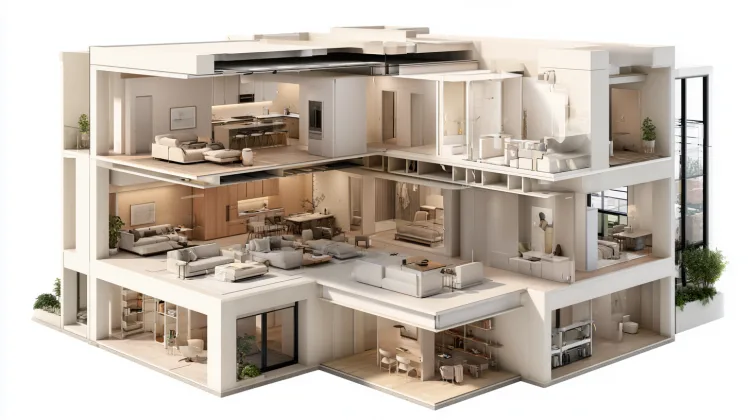
Cross-section of two stacked condo units sharing one floor-ceiling assembly

STOP NOISE TRAVELING BETWEEN CONDO UNITS

Condo noise comes from the people who share your building's frame, and it gets in through whatever separates their space from yours. You're free to upgrade your own unit but not the one next door, so the soundproofing is done from your side.

Footsteps overhead top the list of complaints. Walking, a dropped phone, a chair pushed back — each sends vibration into the floor-ceiling structure you share, and it comes out as sound below.

Shared walls carry voices and music. Sound from the units on either side slips through thin spots and gaps straight into your home.

Plumbing and HVAC add their own noise. Drain lines, rooftop condensers, and shared ductwork move sound from unit to unit through the structure and service chases.

Street noise piles on as well. Units facing the I-10 or a busy boulevard take in traffic through exterior walls and windows.
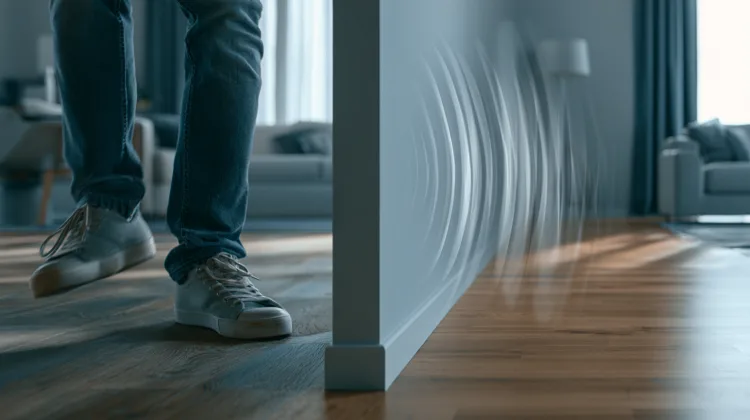
Person walking across a condo floor, creating impact noise

HOW IMPACT AND AIRBORNE NOISE MOVE THROUGH A CONDO

A condo building carries two kinds of noise, each with its own rating, so the right treatment starts with telling them apart. Impact sound is scored by Impact Insulation Class, or IIC; airborne sound by Sound Transmission Class, or STC. Either way, the bigger the number, the better the assembly performs.

Impact noise begins with a blow to the structure — say, a heel landing on the floor upstairs. Decoupling and resilient isolation tame it: they float your finished ceiling or wall apart from the framing, leaving vibration no direct route into your unit.

Airborne noise travels as sound waves through the air — the conversation, TV, or playlist in the unit next door. Extra mass and airtight seams stop those waves right at the wall you share.

Every surface gets treated from your side. Party walls get an upgrade on the side facing you, footsteps overhead are handled by soundproofing your own ceiling from below, and floor-borne noise is dealt with by upgrading the floor inside your unit.

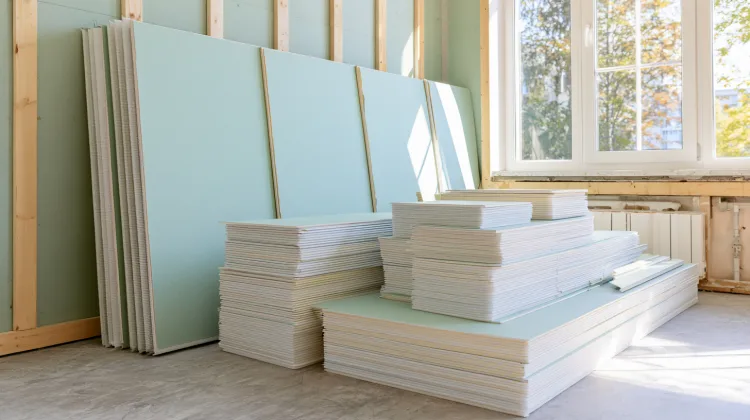
Sheets of soundproofing drywall stacked in a room being renovated

CONDO SOUNDPROOFING SERVICES WE PROVIDE

Our condo soundproofing services deal with both impact and airborne noise, and all the work stays inside your unit. Each one below targets a specific route neighbor noise takes to reach you.

Shared Wall Soundproofing

With shared wall soundproofing, we add mass and a decoupled layer to your side of the party wall, cutting the airborne noise that drifts over from neighboring units. Mass-loaded vinyl, an independent drywall layer, and sealed gaps raise the STC, so less talk and music gets through.

Ceiling Soundproofing for Upstairs Noise

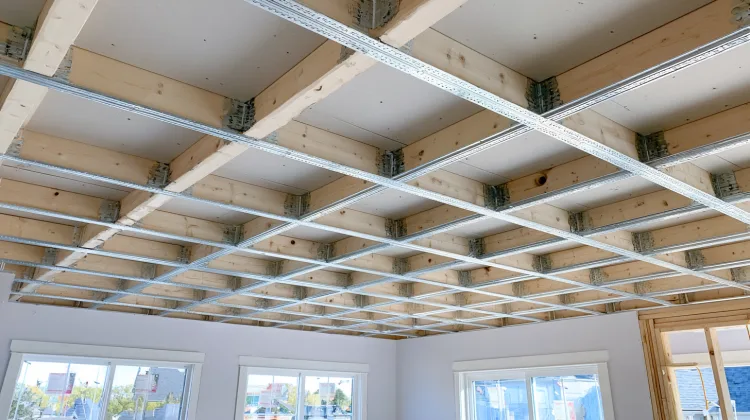
Ceiling soundproofing tackles footsteps and other impact noise from the unit overhead. We decouple your ceiling from the joists or slab with isolation clips or resilient channels, then add mass — the IIC goes up, and much less vibration reaches your rooms.

Floor Soundproofing

Floor soundproofing is about the impact noise your own floor passes downward. A resilient underlayment topped with added mass reduces what reaches the neighbors below and helps separate your floor from the building's structure.

Door and Window Sealing

Door and window sealing keeps out hallway chatter, street traffic, and — near Santa Monica Airport — some aircraft noise. We pair solid-core doors with acoustic seals and sweeps, plus soundproof window inserts.

Santa Monica condo living room with a treated concrete accent wall

WHY OWNERS CHOOSE OUR CONDO SOUNDPROOFING COMPANY

Good condo soundproofing comes down to two things: knowing whether you're facing impact or airborne noise, and fixing it with only the surfaces you own.

Licensed Installers, Decades of Acoustic Know-How

Our licensed installers have put decades into soundproofing and acoustic work in multi-unit buildings. They know how walls, ceilings, and floors behave when only one side can be treated, so your solution rests on sound acoustic principles, not on a single product.

The Right Diagnosis: Impact or Airborne

We don't order materials until we know if a given problem is impact or airborne. Skipping that step leads to a familiar mistake — a heavier wall for footsteps that only a decoupled ceiling will stop.

Everything Installed From Inside Your Own Unit

Every treatment we design goes in from within your unit — no changes to shared structural elements and no need to get into a neighbor's home. Our plans respect your HOA's rules about what owners can change.

Acoustic Materials From Our Own Shop

We fabricate acoustic materials in our own production shop and choose each product for the exact surface and noise problem. Owning production lets us target specific STC and IIC numbers in your unit, not push one product onto every job.

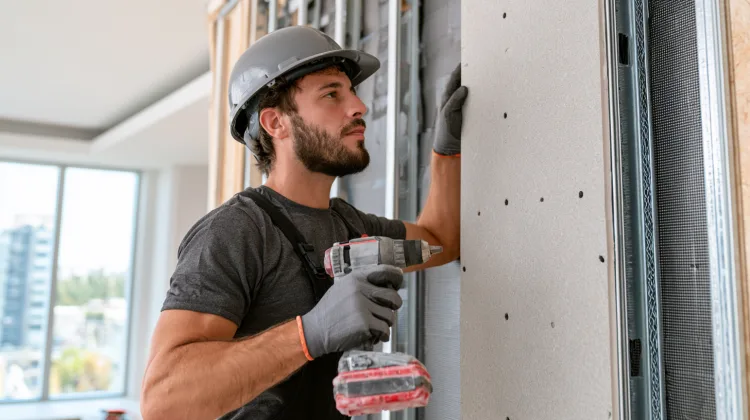
Installer fastening soundproofing drywall to a condo wall

HOW OUR CONDO SOUNDPROOFING PROCESS WORKS

Four stages take us from first measurement to a verified result, so each surface is treated for the noise it really has, not for a guess.

On-Site Assessment: Impact or Airborne, and From Where

We classify the noise as impact or airborne and locate its source — the unit above, beside, or below. That sets the baseline and tells us which surface needs work, and from which side.

A Treatment Plan with STC and IIC Targets

The assessment gives us numbers to aim at: an STC target for airborne noise, an IIC target for impact noise. With measurable goals, every surface is built to a standard instead of a hunch.

Installation Within Your Unit

Installation happens entirely inside your unit, and we seal every gap and flanking path that could undercut the result. Scheduling keeps disruption low while you live there.

Verification by Sound Measurement

After installation, we measure again and line the numbers up against the baseline. That shows the reduction your unit really achieved, not a lab figure from a spec sheet.

Condo ceiling framed with isolation clips and resilient channels before drywall

WHAT NOISE REDUCTION YOU CAN EXPECT

Condo soundproofing delivers results you can measure. The improvement hinges on your noise type and the fact that only one side of the shared structure is touched — not on the word “soundproof.”

One-sided treatment works well, but it has limits. Since the full assembly isn't rebuilt from both units, you still get a major improvement — just not the absolute maximum a full two-sided rebuild could deliver.

Mass and decoupling work well against airborne sound through a party wall. Add a decoupled layer with real weight, seal the gaps, and neighbors' voices and music fade.

Impact noise from upstairs is the toughest to control. Footfall vibration goes straight into the structure, so a decoupled, isolated ceiling cuts it down, yet working from one side alone rarely wipes it out.

Low frequencies set the real-world limit. Deep equipment rumble, home-theater bass, and heavy footfalls create long wavelengths, and those demand more mass and decoupling than voices do.

Contractor reviewing soundproofing plans with condo owners

BOOK YOUR CONDO SOUNDPROOFING ASSESSMENT

Condo soundproofing begins with an on-site visit, from Downtown to Mid-City, where we sort impact noise from airborne, pinpoint the source neighbor, and set measurable STC and IIC goals. Then we plan, build, and test a solution inside your unit.

📞 Call Now to set up your assessment, or Request Your Free Quote for a condo soundproofing plan built around your unit!

Frequently Asked Questions

Can I keep living in my condo while it's soundproofed?

Yes. Walls, ceilings, and floors can usually be tackled in stages, so your home stays usable throughout. We build the schedule around your household's routine whenever we can.

Can you cut shared wall noise without rebuilding the wall?

Yes. Adding a decoupled, mass-heavy layer on your side and sealing every gap raises the STC with the original wall left standing. Next-door voices and music get noticeably quieter, and none of the work crosses into the neighbor's unit.

Will my HOA need to approve soundproofing in my condo?

Frequently, yes. Shared structural elements fall under your association's CC&Rs, so any change has to stay within what owners are allowed to modify. Work done inside your unit is usually the simplest, but check the rules — especially flooring requirements — before you start.

What's the fix for footstep noise from the condo above?

Footsteps count as impact noise, which calls for decoupling. We hang your ceiling on isolation hardware — clips or resilient channel — and add mass, so far less of the upstairs vibration makes it into your unit.

How does impact noise differ from airborne noise in a condo?

Impact noise happens when something strikes the building itself — footsteps overhead, a dropped toy — and IIC is its rating. Airborne noise is sound carried through the air, like voices or a TV, rated in STC. Each needs its own treatment, and fixing one won't automatically fix the other.

Will condo soundproofing help if only my unit gets treated?

Yes. Upgrading the walls, ceilings, and floors on your side of the shared structure cuts neighbor noise in a way you'll notice. Since the structure isn't rebuilt from both sides, the result is strong but has limits — think livable, not silent.

Santa Monica Soundproofing

Your Santa Monica & Greater LA Acoustics Team

We design sound environments around the people who use them, whether that means a recording studio, a music room, a home office, a boardroom set up for video meetings, a busy workplace, a restaurant, a club, a place of worship or a school auditorium.

View All Services

Request a consultation

Share a few details and our team will reach out

Let’s begin with the basics:

Prefer the phone? (877) 999-2201

Additional info (Optional)